Muse on Aging
"It's all downhill from here"

First ever clearly articulated diagnostics on aging was propounded by Dr. Jean Astruc:
"As we advance in age, the skin once thin, soft and shiny becomes thick, tough, unequal, and empty; the hue decreases; the hair falls; the senses weaken; there is a need for glasses; teeth fall, becoming loose in their sockets; respiration becomes shorter; the nose constantly drips; the abdomen relaxes; the urine escapes; incontinence sets in; we bend our heads; the taller we are, the more bent we are; we lose our sleep; we are less prone to imagination; we forget what we have done during the day, but remember in every detail of what we have done in the distant past."
He pinpointed all the general malaise one suffers in old age with pinpoint accuracy. Considering he was propounding his views at the time when Louis XIV was ruling - over three hundred years ago - is quite modern.
He decided to write an entire book on the subject. After all, he noted:
"Old Age is an ill(ness) that no one can avoid. The best one can do is to attempt to lengthen one's life and decrease the effects of Old Age."
He delved into the psychology:
"One, mostly shared by women, is not to care about getting old as long as one does not look old (those people would give 10 years of their lives if they could always look young). The other view, a wiser one, is to prefer a long Old Age to this false air of youth."
We are still obsessed with staying younger. The most clicked articles in news sites bear headlines like this: 15 habits that can keep you young forever. [Don’t click. It will not tell you how beyond vague generalities like drink a lot of water, sleep enough and so on.]
What did Astruc recommend for old age?
An abundant and succulent diet, but food that is easy to digest.
He declared that this diet would give “lots of blood and lymph, a certain suppleness and fat to the tissues, and a round face.” He recommended wine and liquor. He believed they would help blood circulation.
His recommendations for a long life: little exercise, a long sleep. His logic of avoiding exercise was that exercise hardens the muscles and reduces perspiration.
He summarized his final take on longevity: "A life from bed to table and back to bed."
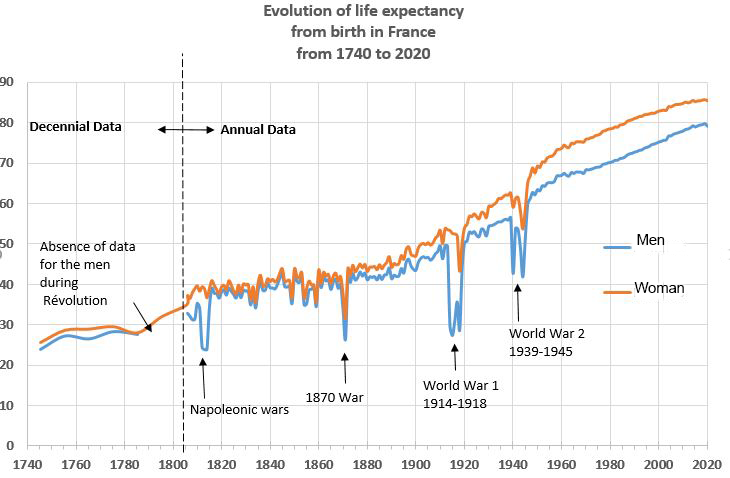
At the time of his writing, life expectancy at birth in France was less than 30 years. So, for most people at the time, his recommendations were moot. The median calorie intake was 1,100 - a starvation diet. The luxury of being in bed just to have a meal was a luxury that the vast majority could ill afford in France.
Three centuries later, our views on obsession on youth have not changed. Most people delight at somebody suggesting “You look younger than people of your age.” Most often it is a lie. However, visible aging is a very nonlinear process. We may look younger for a while and then suddenly we age - visibly. Often it is accompanied by some illness that hits us hard.
We cover most of our bodies. Hence the wrinkled skin is not visible in public. [Unless you are Greg Norman.]

For the visible parts, we cover them more as we get older.
Sticking your neck out
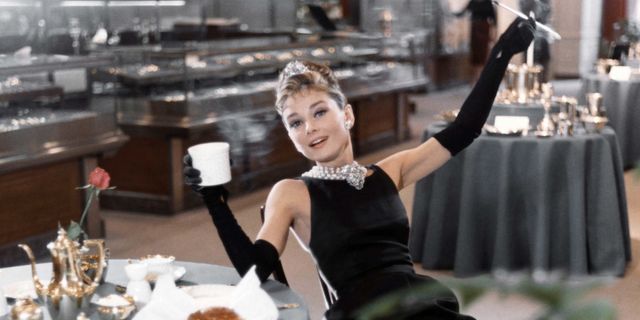
Necks are more prone to wrinkles than most of our body parts. Not surprisingly, actors, singers wear high collars, turtlenecks and scarves to cover that part.
For your eyes only
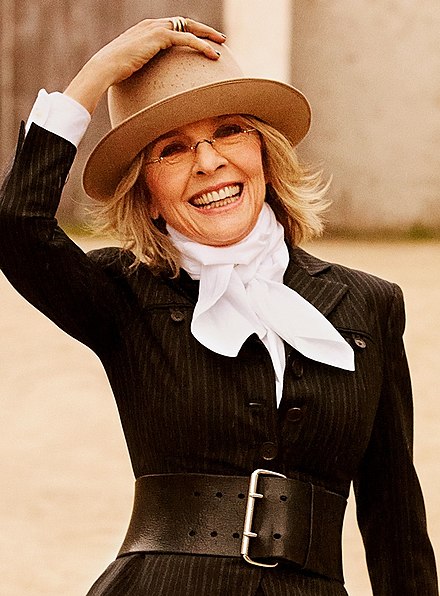
Eyes have it. We get visible wrinkles and bags around our eyes as we get old. Ever wondered why old rock singers are onstage at night wearing dark glasses?

I am all ears
Our ears grow with age. It grows at the rate of 0.51 mm per year. If you look at your photos of a younger age, you will clearly see the difference in the size of your ears! Swinging earlobes are a dead giveaway of aging.
Hand of God
You can tell a person’s age by looking at the back of their hands. Not surprisingly, for older people in show business, the popularity of gloves rocket.
By the hair on your chinny chin chin
Hair is another sign of aging. Some people do get prematurely white hair. Others get white hair as they get older. Graying is not uniform. Head hair, facial hair or hair on all body parts do not turn white at the same speed. Many die in a way that looks very unnatural.

Loss of hair is another trait that accompanies us in old age. People try to hide that by wearing a hat or a cap. Women often wear scarves. A sudden loss of hair portends grave illness (or chemotherapy).
Does yoga reduce visible signs of aging?
No.
Even people hawking “ageless body” do not manage to avoid visible signs of aging.
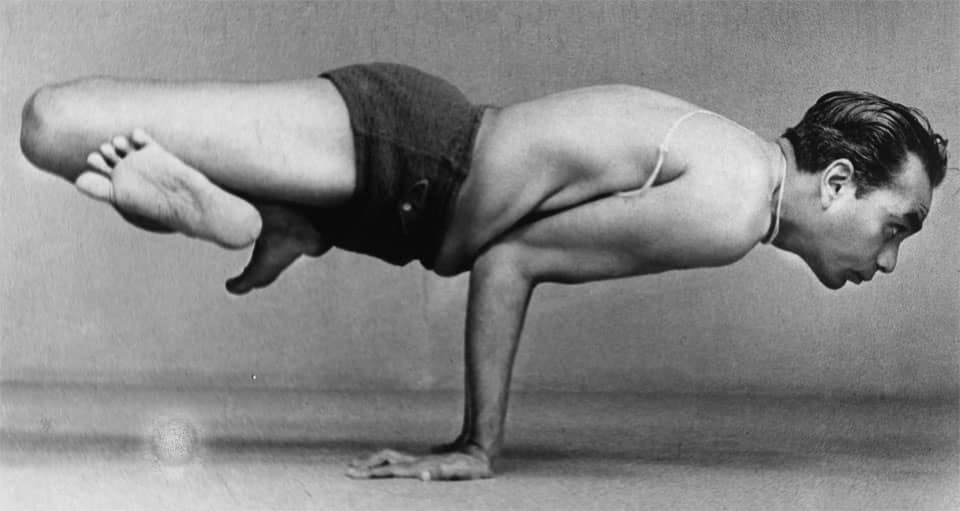
Nor do great exponents of yoga look youthful when they get old. Look at his ears. If you look at his photos when he was younger, they look much smaller (ditto for the nose).
[Shameless Promo: I don’t look too bad at twice his age!]
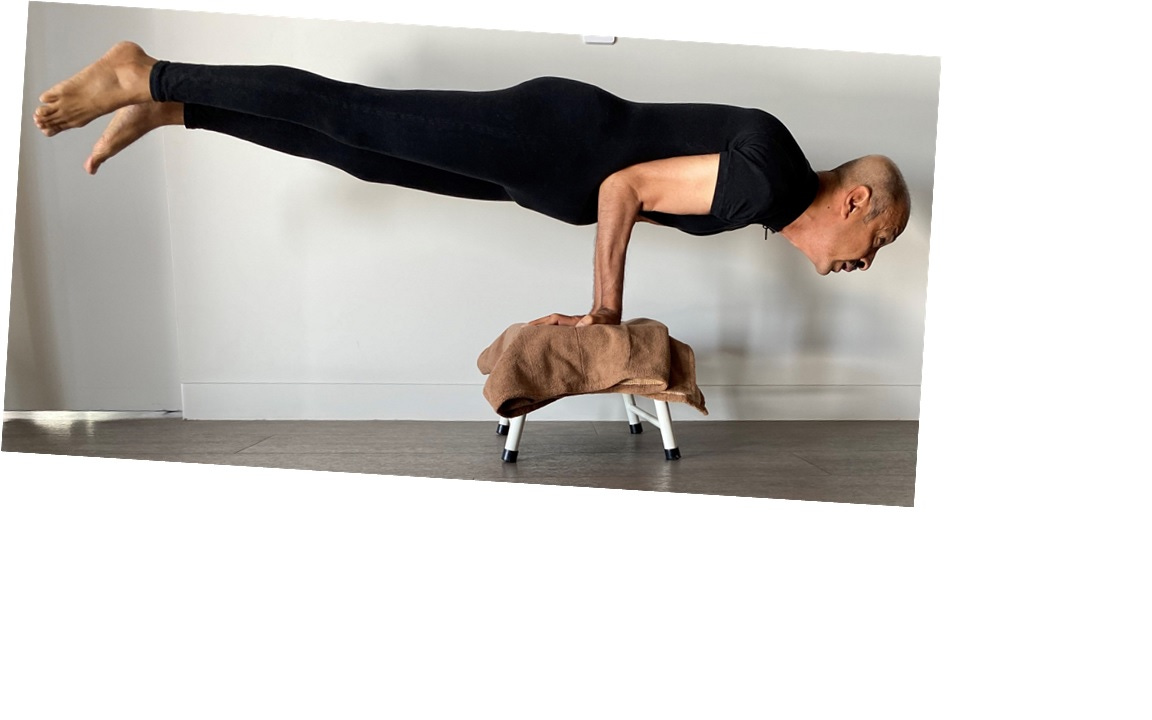
Executive recipe for old age: Grow up and learn to live with it.